How to Deliver a TEDx Talk
Landing a TEDx talk is a career-defining milestone, but moving from an "idea worth spreading" to a viral video takes more than a good script. To truly succeed, you need to master the intersection of storytelling, technical precision, and audience connection. These are always the goals of my keynote presentations and public speaking coaching.
If you are wondering how to deliver a TEDx talk that resonates long after the lights go down, I wrote these tips based on my experience as a keynote speaker and on delivering my first TEDx talk recently. Consider strategies from slide design to the hidden technical details that can make or break your performance.
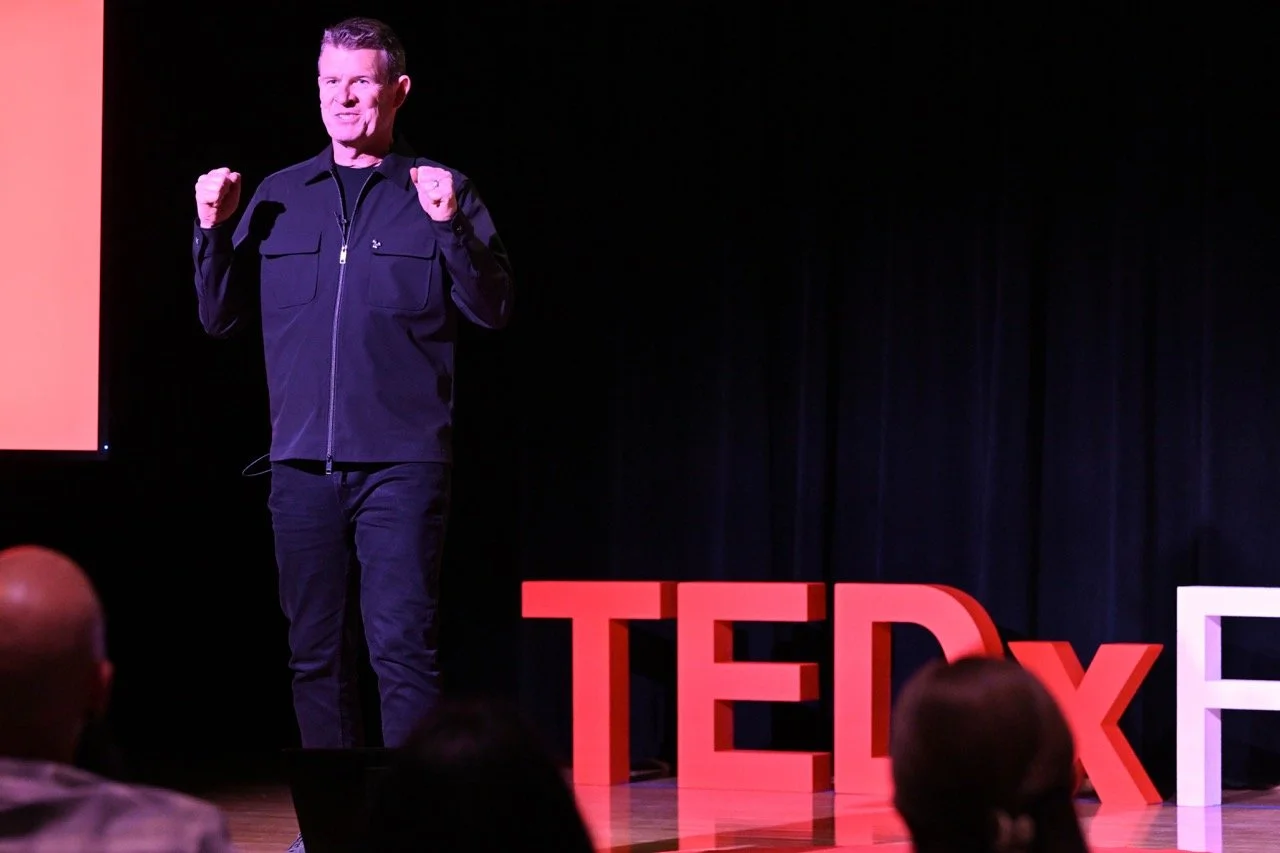
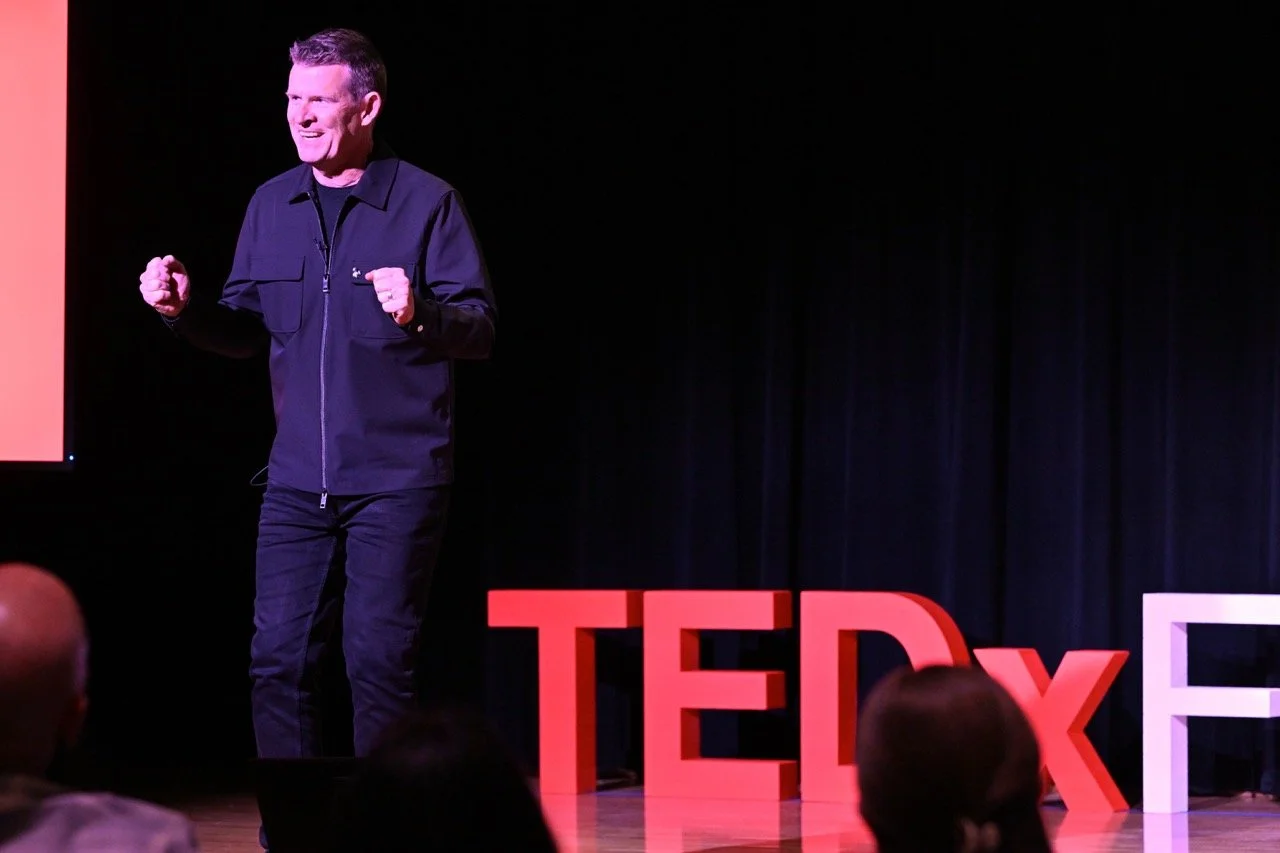
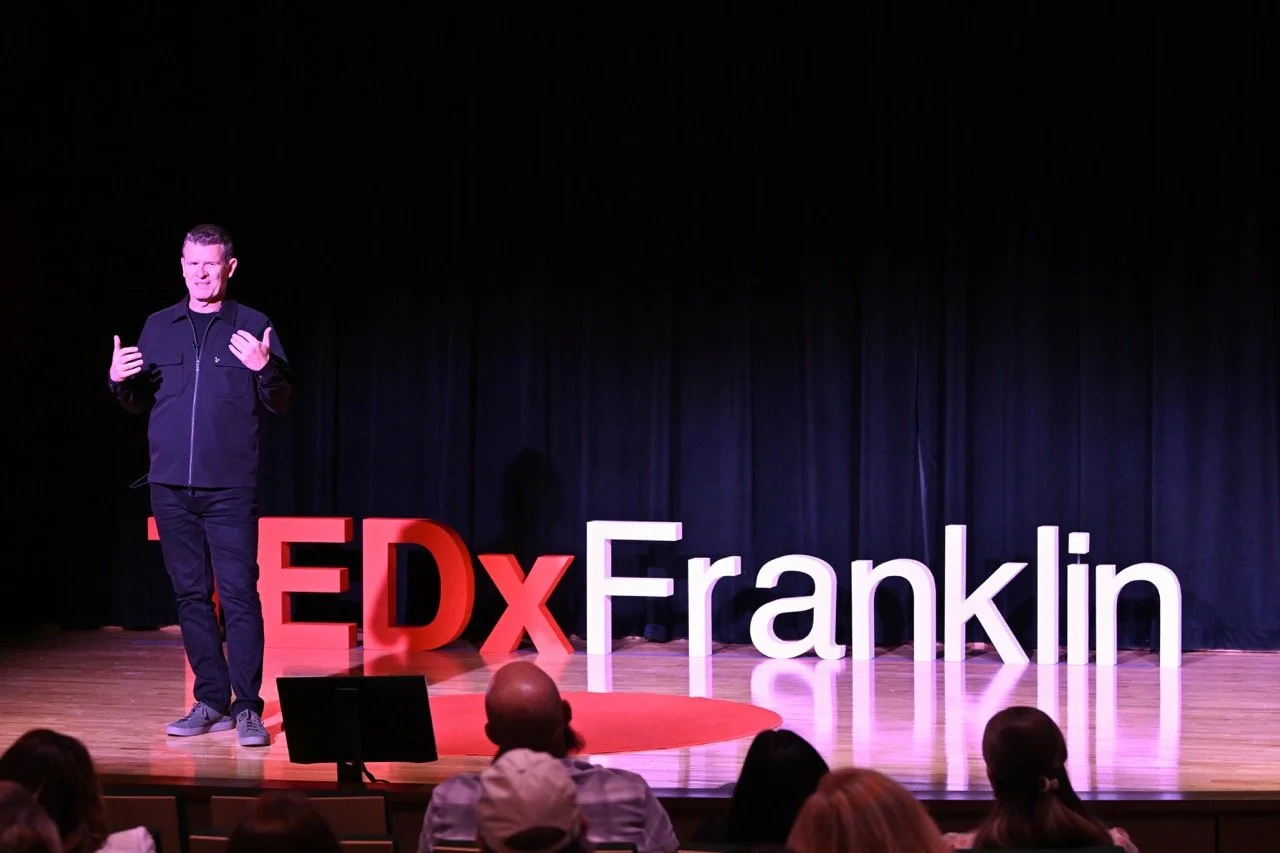
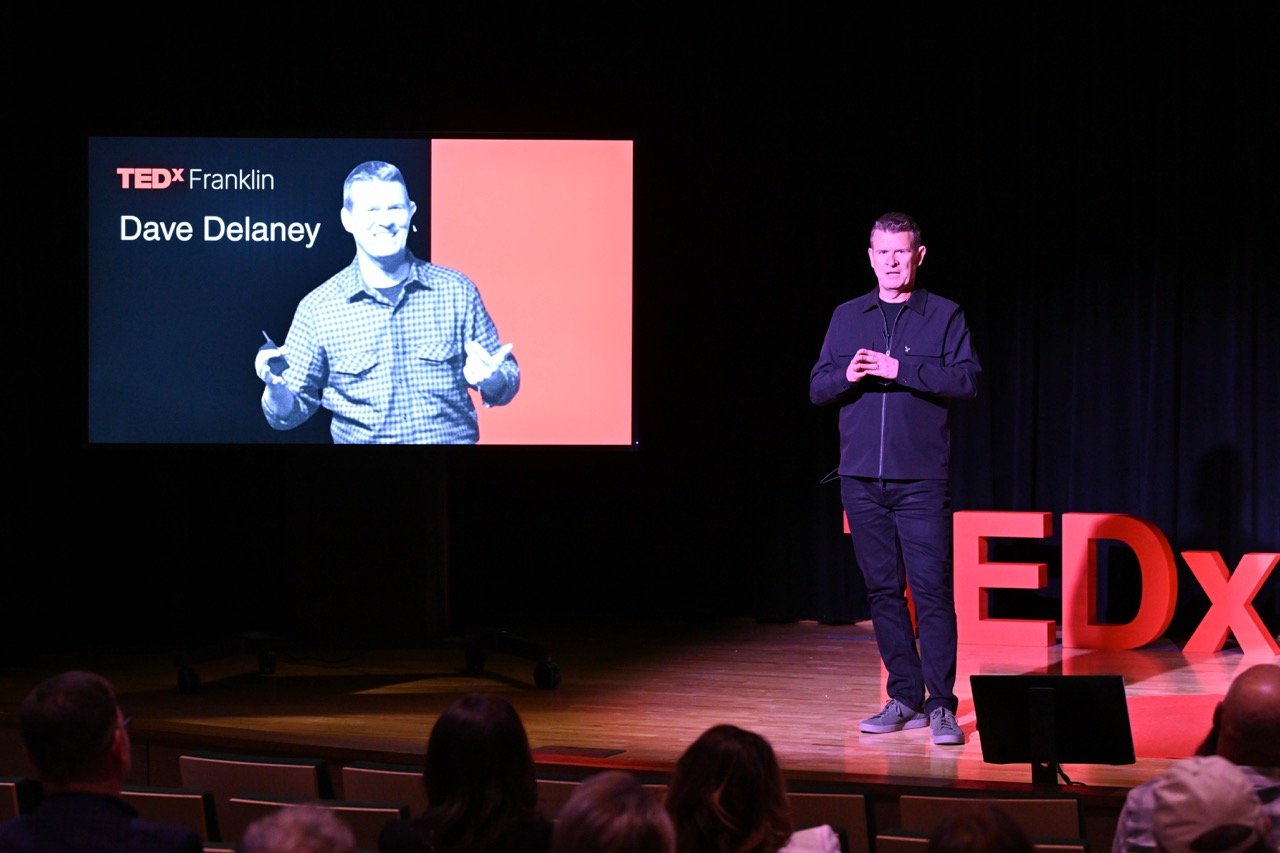
1. The TEDx Call to Action
In a standard keynote, end with a call to action (CTA). What should the audience do next? Sometimes you can include a lead magnet (gross marketing-speak, I know) or simply your contact info. TEDx guidelines are strict: you cannot sell from the stage. To be frank, you should never sell from the stage anyway.
To turn your talk into a networking engine:
Resonate, don't pitch: Your goal is to move the audience so deeply that they want to find you.
The "Google Me" Strategy: Ensure your digital footprint is ready. If your talk is impactful, viewers will search for your name. Have your newsletter and valuable tools ready on your website to meet that organic interest. I've included a summary PDF of my TEDx talk here.
2. Audio-Visual Excellence: Don’t Let Slides Ruin Your Set
Many speakers treat slides as a crutch, but in a filmed environment, they can be a liability.
The "Confidence Monitor" Rule
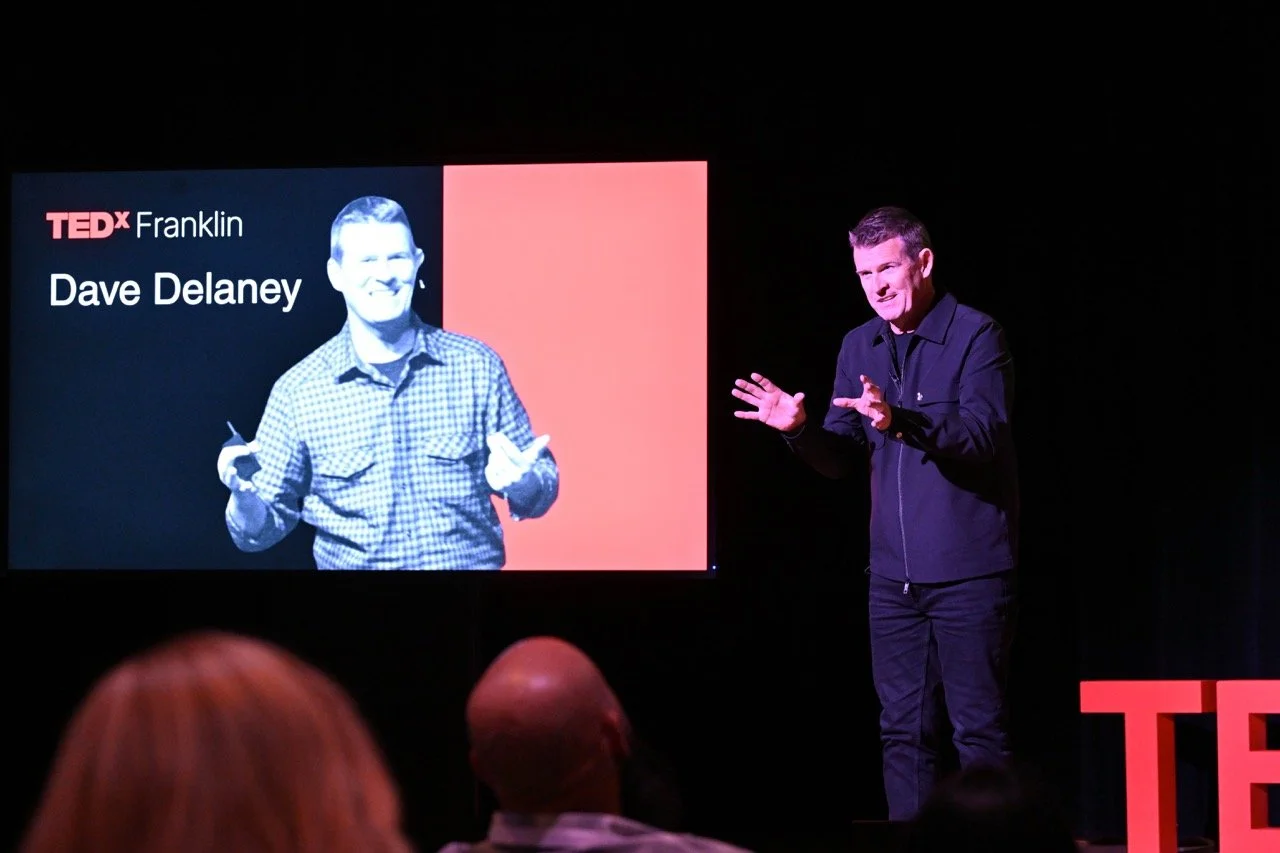
This is the most critical technical advice I can give you: If there is no confidence monitor, do not use slides. A confidence monitor is a small screen placed at the foot of the stage that shows you what the audience sees and sometimes includes a preview mode showing your next slide. Without one, you will:
Avoid Whiplash: Turn your head away from the audience each time you advance a slide to ensure the slide changes. If you have fifteen slides, that’s you turning your head to the side or behind you fifteen times. Turning your head distracts the audience and hinders your performance, making it less memorable.
Audio Warning: If you are wearing a lavalier microphone, turning your head repeatedly can cause your chin or neck to rub against the mic, creating "scratch" noises that can ruin the audio of your final video.
Stick to the Guidelines
If you do use visuals, follow the official TEDx slide design guidelines religiously. Keep them high-contrast, low-text, and visually driven. I have a full methodology for my keynote presentation slides, but I chose not to use them for my talk.
3. Partner with the "Invisible" Team
Your most important allies aren't in the green room; they are behind the mixing board and the lenses.
The AV Meeting: Request to arrive hours early to meet the audio and visual team. Test your clicker and ensure your slides render correctly on their hardware. A slide deck created in Apple’s Keynote may not load properly in Microsoft PowerPoint.
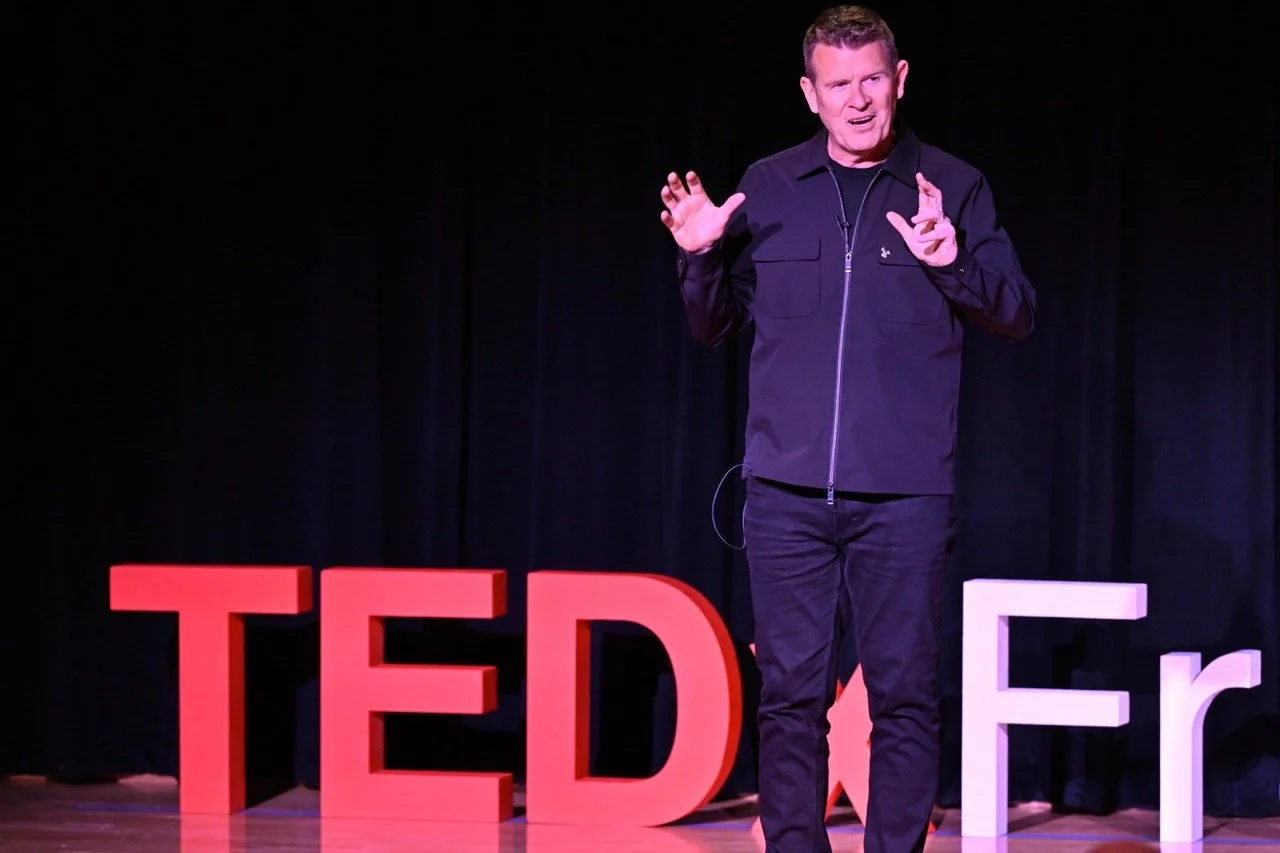
The Camera Operator Connection: In my talk, I included a moment of viewer connection in which I looked directly into the lens to address the home viewer. If your event has multiple cameras, knowing where to look creates a cinematic experience for the thousands or more viewers who will hopefully watch on YouTube. Discuss this with the videographer ahead of time to make sure you're looking into the right camera.
Respect is Key: These professionals control how you look and sound. Be the easiest, most polite speaker they work with that day. I’m always so thankful to AV teams!
5. Spatial Anchoring: Using the Stage as a Timeline
Your movement on the stage should be just as intentional as your script. By treating the stage as a physical timeline, you provide the audience with a visual map of your narrative journey.
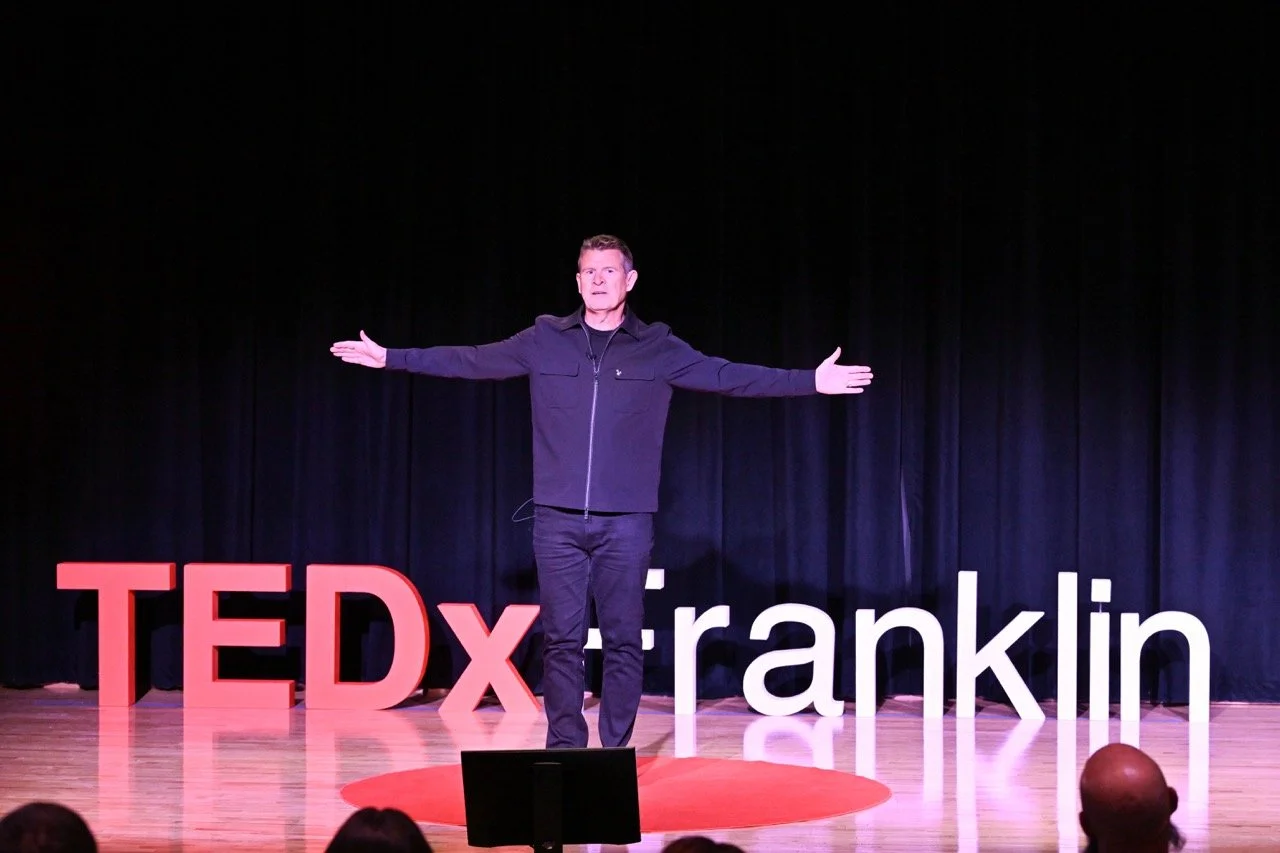
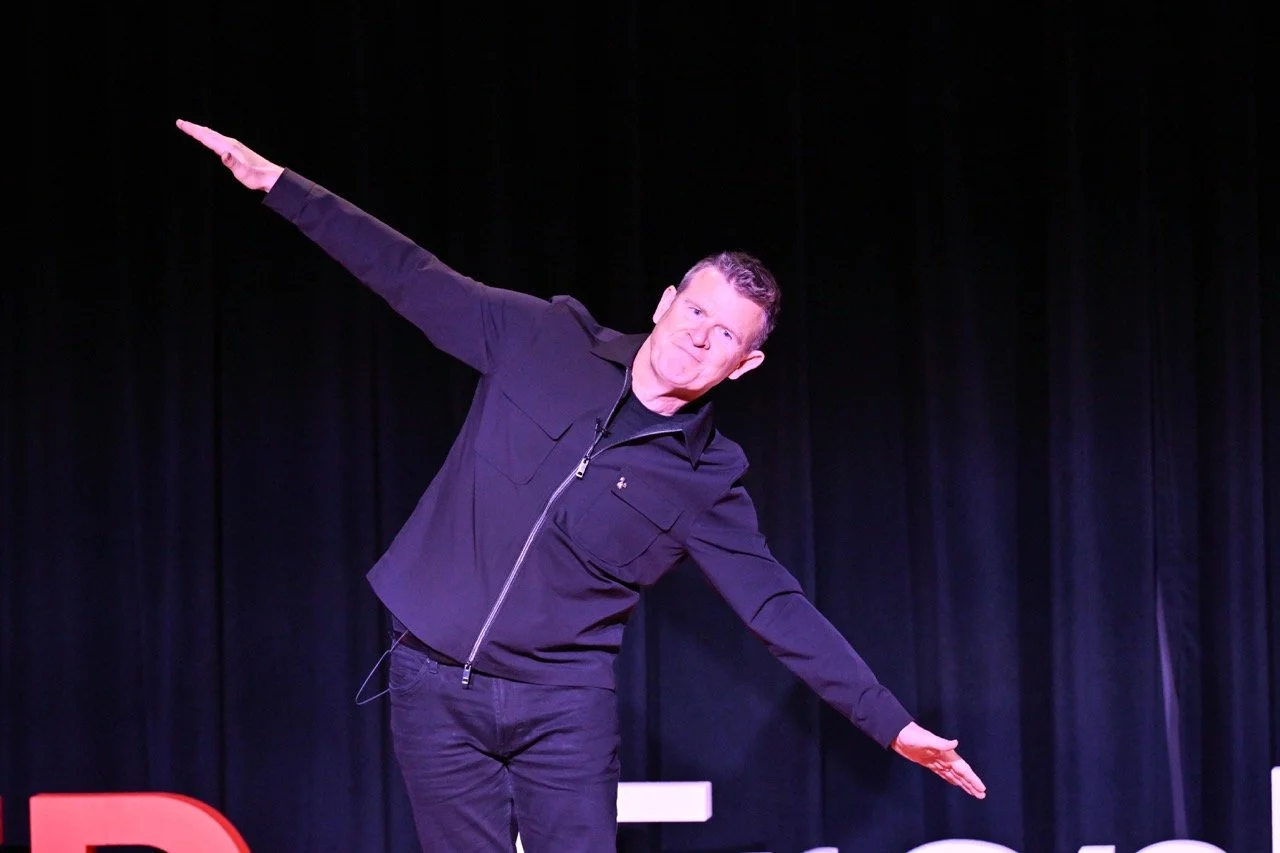
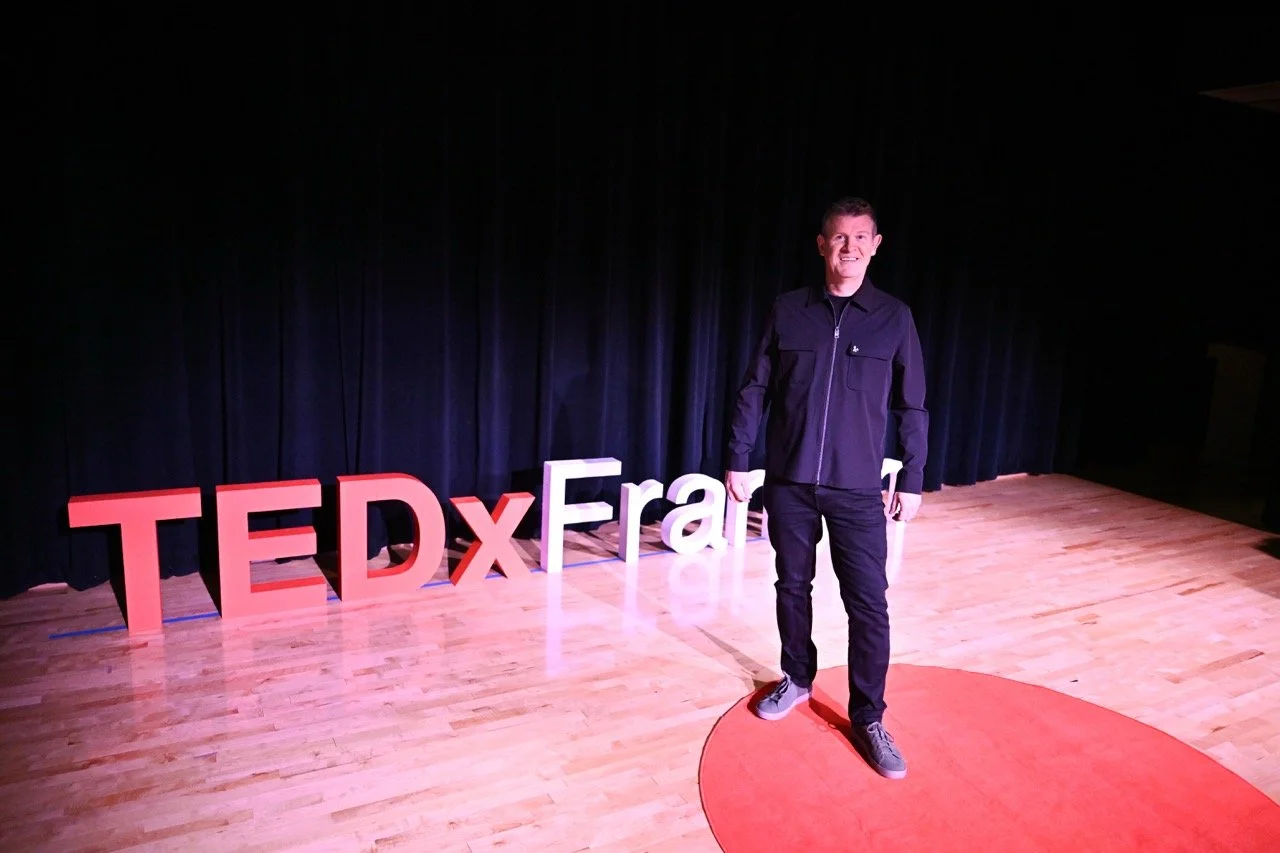
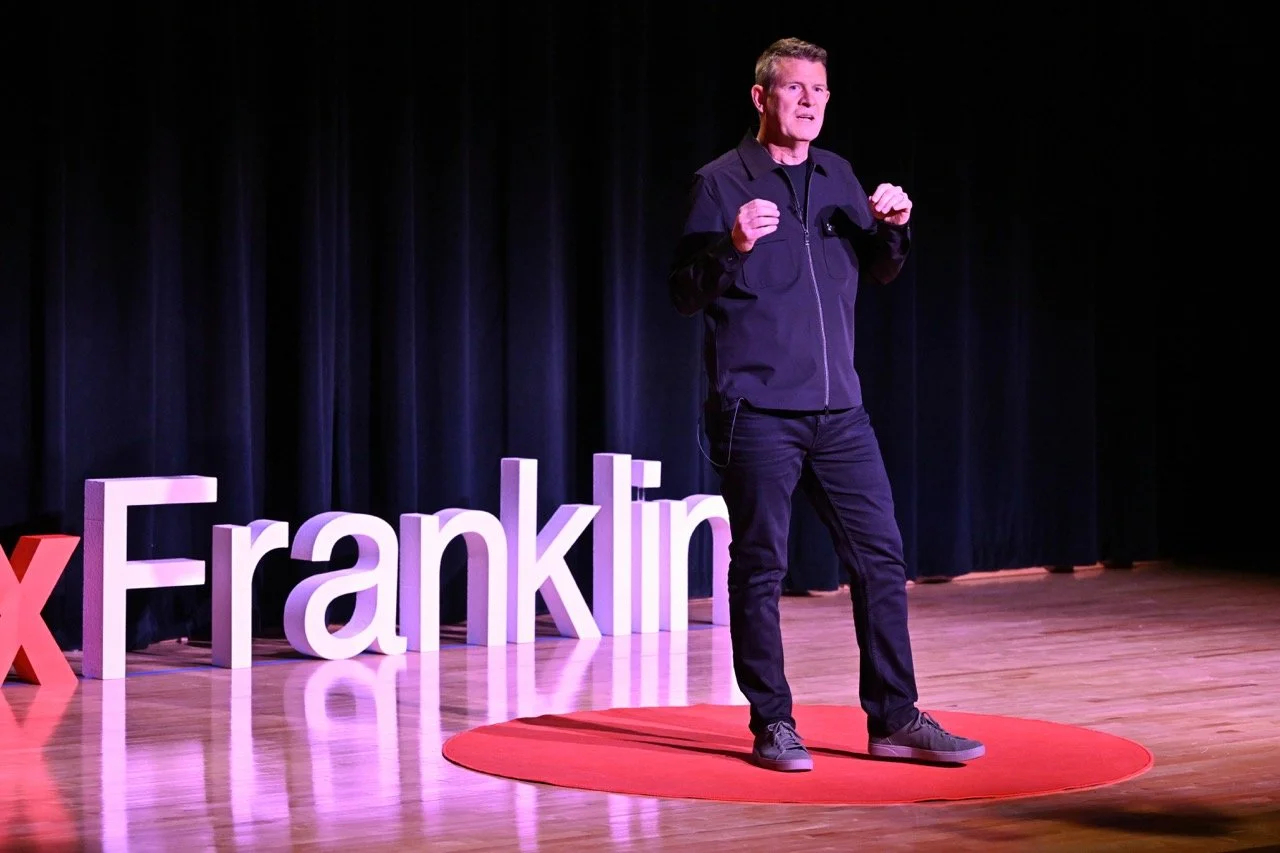
The "Past" Off the Carpet: To symbolize where your journey began, consider starting your presentation off the red carpet at stage right. This physical separation represents the "before" and builds anticipation as you prepare to enter the main arena of your idea. You can see that at the start of my TEDx talk.
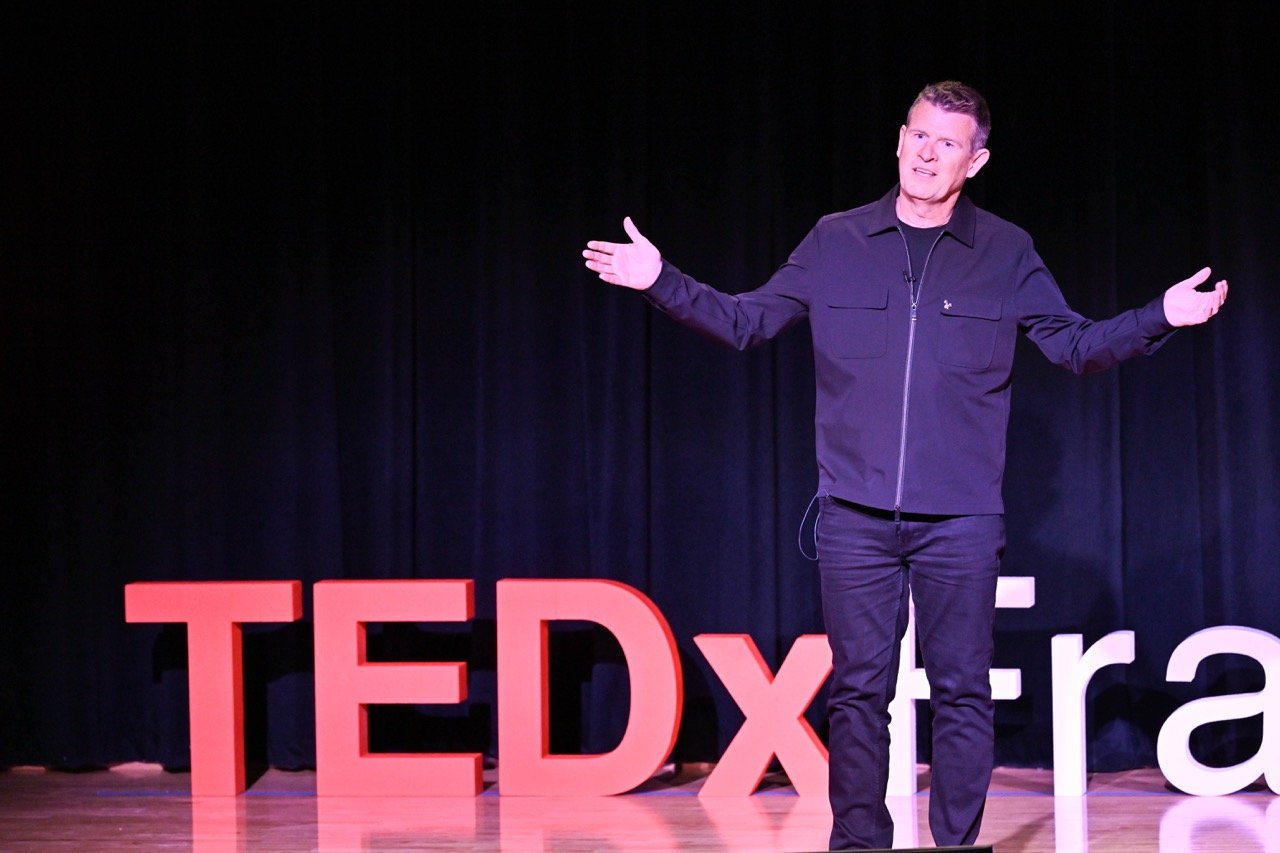
The Present and Impact: Move to dead center on the red carpet to anchor yourself in the "present." This is your power position—use it to deliver your most high-impact insights and core "idea worth spreading" directly to the audience.
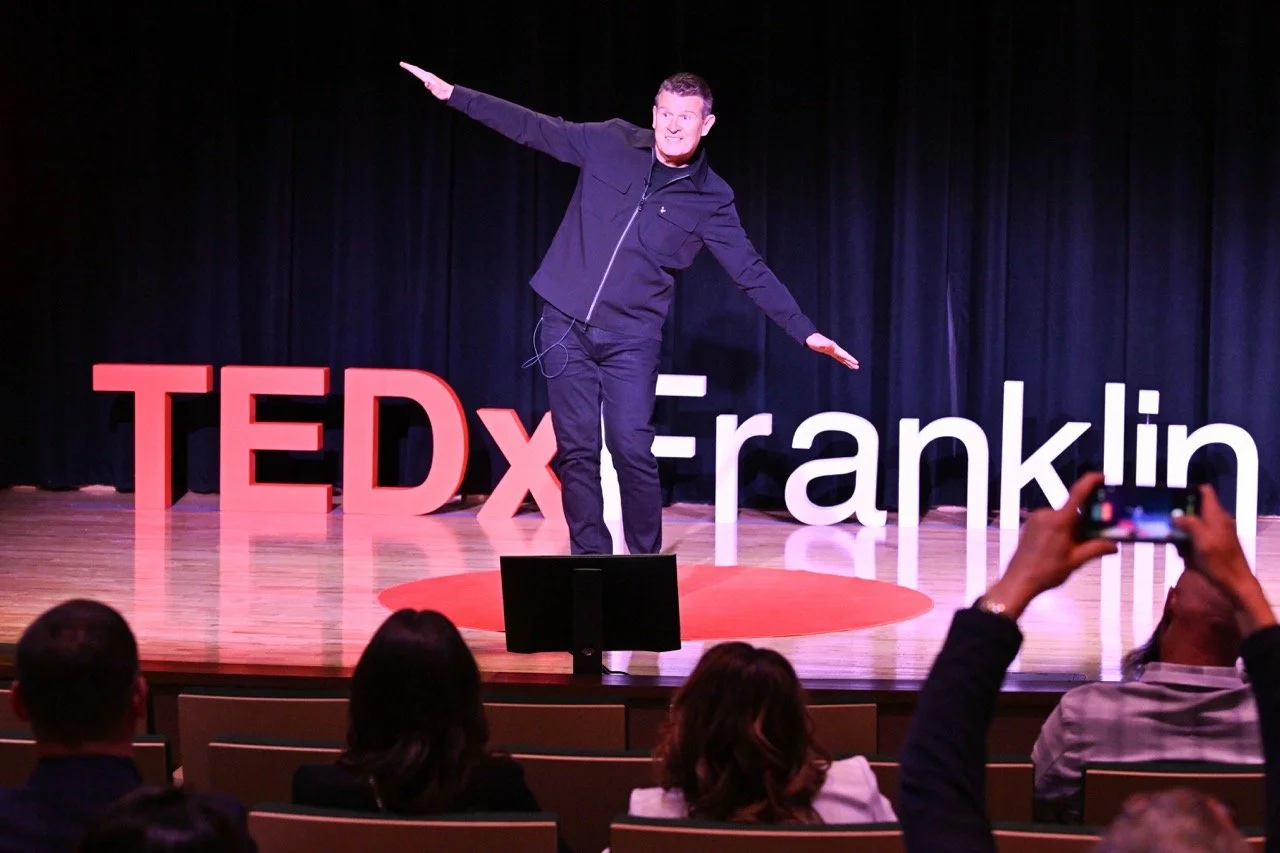
The Future at Stage Left: When discussing the vision or the way forward, if it fits, transition toward stage left. This spatial progression from right to left (from the audience's perspective) mirrors how we naturally visualize timelines, making the evolution of your story feel intuitive and tangible. In my TEDx talk, I began in the past and concluded my first impactful story with a THUD in the center of the round, red TED carpet.
Final Thoughts: From organizers & COHORT to presentation coaching
Always approach communication with the organizers and presenting team with respect and clarity. Organizing a small or large event is a lot of work, and the TEDx teams are volunteers. Nobody likes a prima donna, so be respectful and helpful however you can.
Be sure to help and keep in touch with your cohort of fellow event speakers. I’ve made some wonderful new friends from the fine folks I presented with.
The difference between a good talk and a great one often comes down to the development and rehearsal process. Many speakers hire a presentation designer or coach to help them refine their unique ideas into a memorable 12-minute masterpiece.
If you are preparing for a TEDx talk or considering one and would like coaching to help you deliver your idea, I would be honored to help increase the odds that audiences find your idea worth spreading. Book a call with me here.